
Shanghai Science and Technology Museum Holds Inaugural "Exhibit Designers" Event
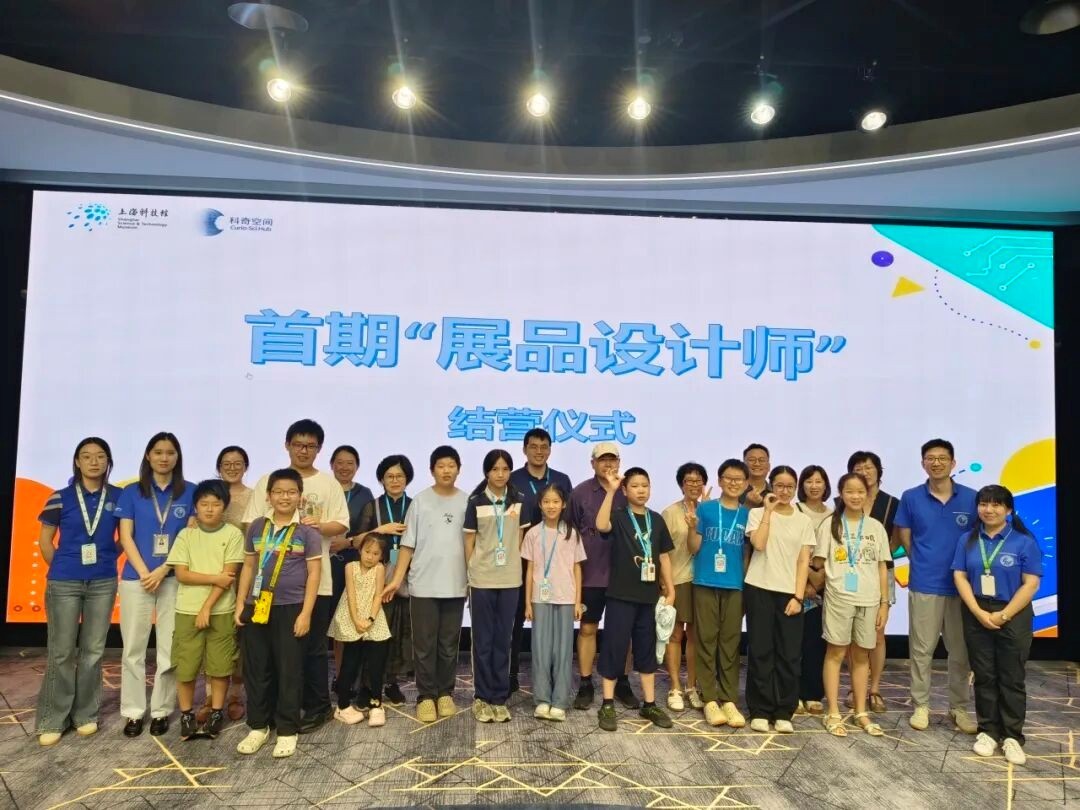
Recently, the inaugural "Exhibit Designers" Maker Challenge organized by SSTM culminated in a presentation and showcase of participants' achievements. Following four days of intensive, immersive learning and hands-on practice, nine young participants completed the entire challenge, from scientific research and concept development to prototype construction and the creation of finished interactive exhibits. A collection of original science communication exhibits created by the young participants, combining sound scientific principles, creative ingenuity, and engaging interactive experiences, was unveiled.
The "Exhibit Designers" program is a key hands-on maker initiative at SSTM. Drawing on the museum's extensive science communication and educational resources, the program centers on project-based learning and integrates a range of activities, including exhibition hall visits, expert lectures, engineering practice, prototype development, and project presentations. It encourages young people to move beyond the perspective of visitors and become young exhibit designers themselves, developing their engineering thinking, innovative and creative abilities, and practical scientific skills while inspiring their enthusiasm for creating things through hands-on scientific exploration.
This "Exhibit Designers" Maker Challenge guided young participants through the complete process of creating a science communication exhibit. They began by observing existing exhibits in the exhibition halls, identifying the underlying scientific concepts, and conducting research and analysis. They then developed design concepts, drew up design plans, and used maker tools to construct physical prototypes, ultimately creating interactive exhibits that visitors could operate to demonstrate scientific principles.
During the event, the Exhibition and Education Centre at SSTM organized a comprehensive range of science and technology innovation courses for the participants. They observed the classic interactive exhibit "Spacetime Connection," examining its underlying scientific principles and interactive features from a designer's perspective. Science educators delivered specialized instruction on setting up AI development environments, understanding basic hardware components, and implementing logic control. Participants also visited the special exhibition "From Zero to Infinity: The Making of Science Museum Exhibits," where they learned about the complete design process of an exhibit, from initial concept development to its final creation.
During the hands-on construction sessions, participants used equipment such as laser cutters and materials including thermoplastics to fabricate structural components and assemble their physical exhibits. Working collaboratively with clearly assigned responsibilities, each group further developed its project through structural assembly, hardware wiring, and program debugging. Through continuous experimentation, discussions, and adjustments, they progressively refined their exhibit prototypes and improved their operational performance.
At the final presentation and showcase, each group took turns on stage to demonstrate and introduce its original interactive exhibit to the judges and audience. The interactive prototypes, built by the participants themselves, used mechanical linkages and simple interactive devices to demonstrate abstract scientific principles in a clear and intuitive manner. The judges highly commended the scientific rigor, creative concepts, and practical implementation skills demonstrated in the young participants' projects. They also provided suggestions for improving each group's exhibit and presented certificates to the participants.

 LINK :


