
"Silver Generation Fair of ‘Science’ Is So Much Fun": Slowing the pace of technology
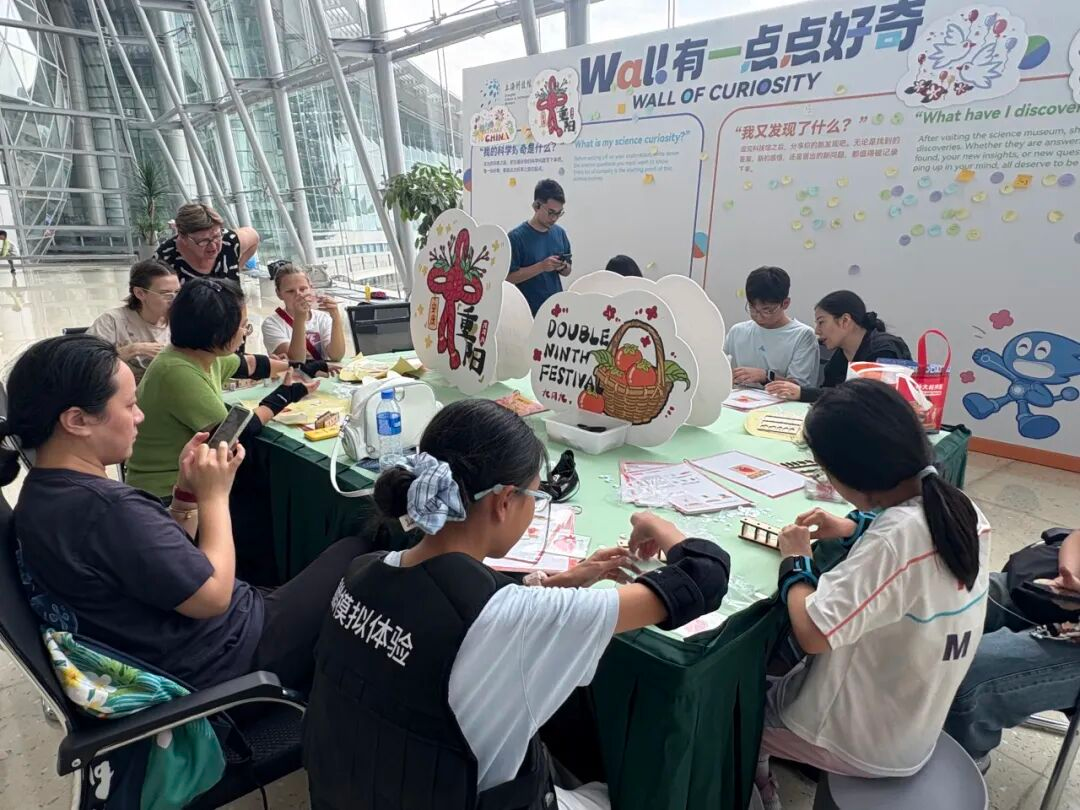
On October 18, the Double Ninth Festival, the Generation Fair of "Science Is Fun" Silver opened at SSTM. Centered on the themes of "health protection, age-friendly technology, and intergenerational collaboration, " the fair brought together virtual reality (VR) experiences, aging simulation equipment, exoskeleton robots, educational activities on cardiovascular and cerebrovascular health, and maker workshops for parents and children. Virtual reality, wearable assistive devices, humanoid robots, wearable simulation equipment and more were presented not simply as exhibits to be viewed behind glass, but as technologies that older adults could try on, interact with, and use for themselves.
From "watching demonstrations" to hands-on experiences
VR experiences and exoskeleton robots represent two distinct approaches to technology. The former uses immersive interaction to transport older adults into entirely digital environments, while the latter provides physical assistance, supporting the waist and back when users stand up or walk. What both approaches share is an emphasis on "hands-on experience. " Unless technology can be worn, operated, and physically experienced, it remains little more than a demonstration at an exhibition booth.
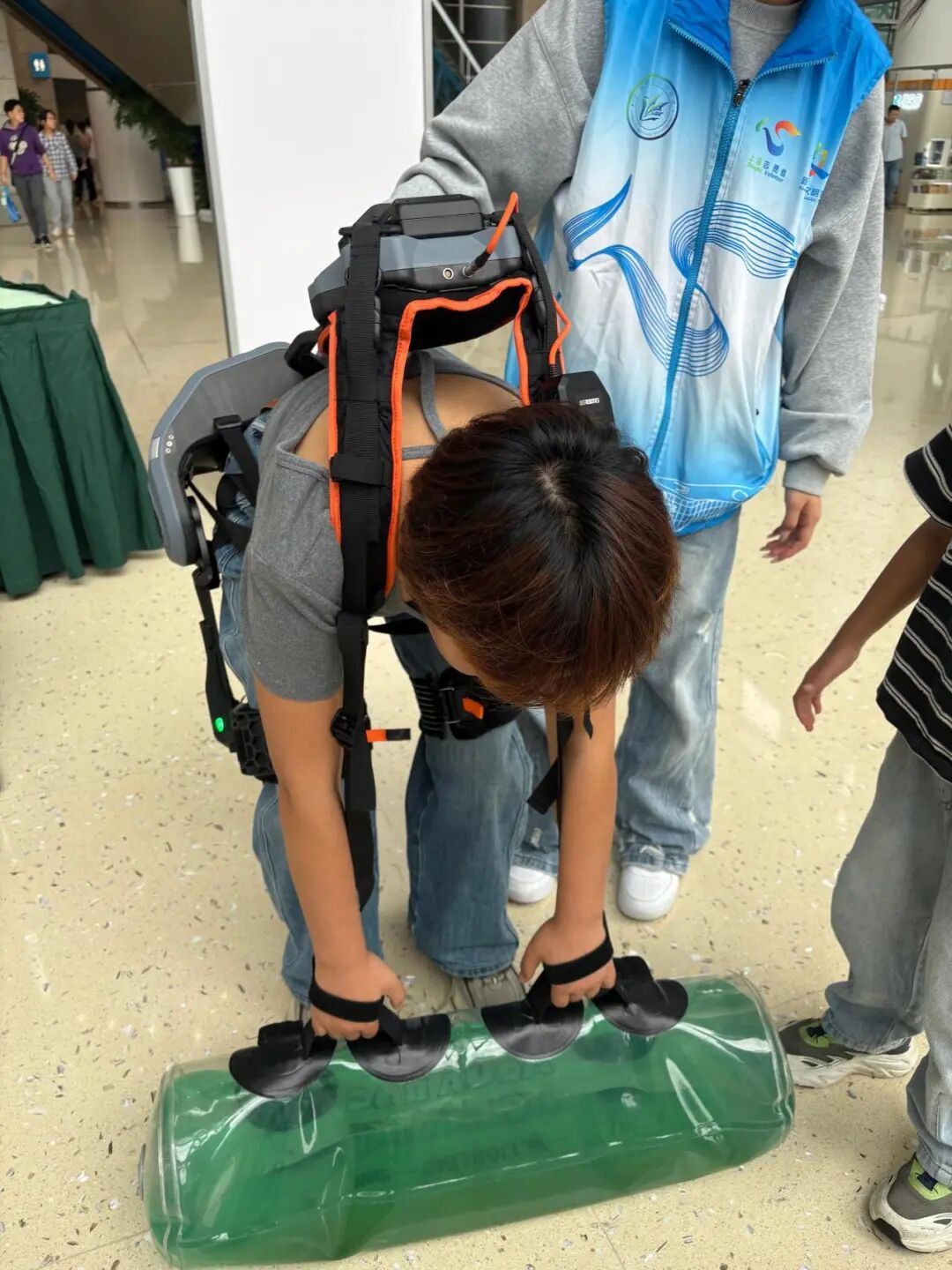
The VR experiences at this fair were primarily open to visitors aged 60 and above. Older adults generally have fewer opportunities to engage with immersive technology, so staff assistance is needed to help them put on the equipment, and the experience itself must proceed at a more comfortable pace. Technology often becomes truly "usable" through precisely these small adjustments that make it easier to access. Meanwhile, the physical support provided by exoskeletons transforms the concept of "assistance" into a tangible experience that the body can remember. Rather than performing movements on behalf of users, the technology helps them regain some of their existing physical capabilities. This is perhaps the most important aspect of assistive technology for older adults to understand.
Experience "aging" before exploring age-friendly design
The "Silver Generation Equipment: Aging Simulation Experience" invited participants to wear equipment designed to simulate the physical effects of aging while performing simple everyday tasks, such as reaching for an object, bending over, or trying to see something clearly. The value of this equipment lies not in solving problems for people, but in helping them understand those problems firsthand. Slower movements, blurred vision, and stiff joints, once experiences that could only be imagined, became tangible sensations as soon as participants put on the equipment.
Turning health knowledge into exercises everyone can follow
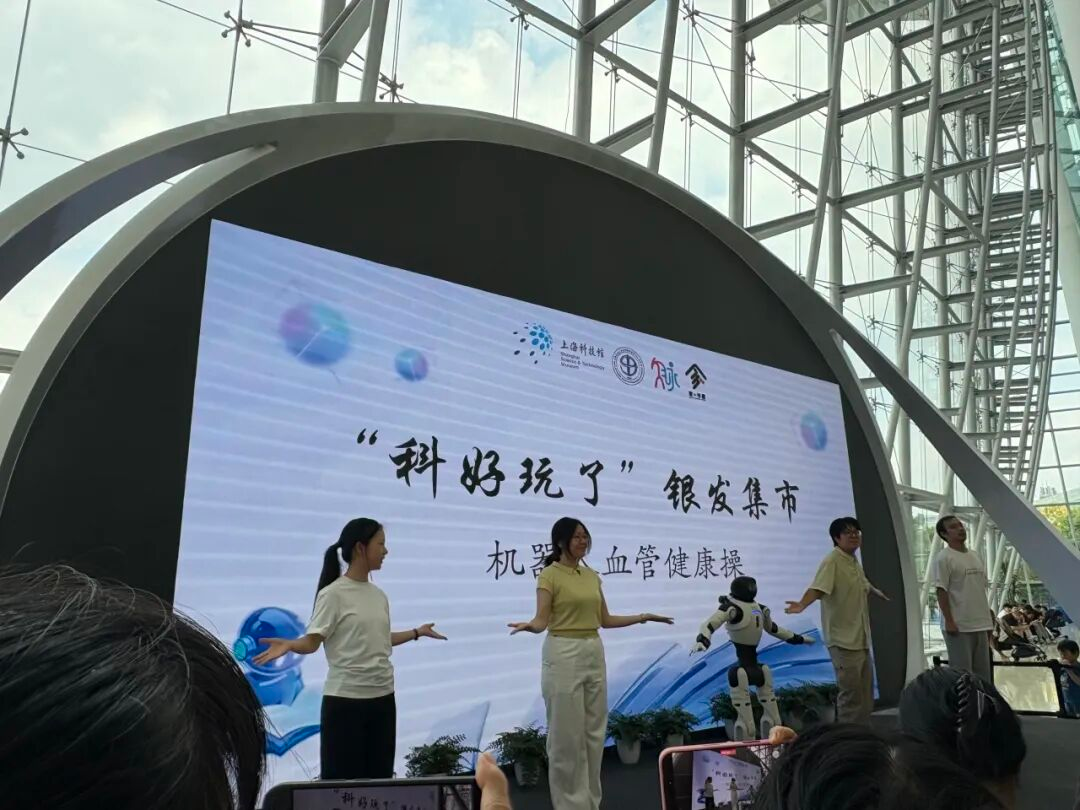
At the "Healthy Living, Made Practical" cardiovascular and cerebrovascular health education station, vascular surgeons were on hand to provide practical demonstrations alongside robots and engage directly with visitors. During the fair, a doctor and a robot also shared the small stage on the museum's first floor to demonstrate a vascular health exercise routine. The movements were simple, but their real appeal lay in how easily visitors could remember them and continue practicing them at home.
Two generations come together to create a lamp
The "Heart Cross-Section Lamp" and "Flexible Joints" maker workshops offered two different ways to explore the human body. In the former, participants assembled layers representing the heart's cross-sectional anatomy to create a night light that could be illuminated. The latter explored the structural principles behind the question, "Why can joints rotate?" A familiar scene at these workshops involved children taking charge of the hands-on activities while older family members helped assess whether everything was being done correctly. Intergenerational collaboration was more than just a slogan. Around the same table, two generations brought together their respective experience and curiosity to create something together.
Slowing the pace of technology
The fair did not reduce the idea of "age-friendly" design to a label displayed at the entrance, nor did it turn "technology" into a showcase of technical prowess. For SSTM, this reflected both a deliberate approach to organizing activities and a broader commitment to public science education services. The true value of new technology lies not in how advanced it is, but in how many people can actually use it.
Looking ahead, SSTM will continue to refine its programs and participation opportunities based on the real needs of older adults, helping more senior visitors discover their own "something fun to do" at the museum.

 LINK :


